


Teltonika and Driver Identification for African Fleets: Complete Hardware Guide

Updated: 1 day ago
Teltonika and Driver Identification for African Fleets
Fleet tracking in Africa needs a different hardware plan from a single-country UK deployment. Vehicles may work across long routes, remote depots, variable mobile coverage, harsh environments and mixed operating conditions.
This guide explains how to specify Teltonika GPS trackers and driver identification kits for African fleet deployments, including logistics, mining, construction, NGO, cold chain and service fleets.
Why African Fleet Deployments Need Careful Planning
Connectivity must be planned around local networks, roaming SIMs, APN settings and coverage gaps.
Driver identification is valuable where vehicles are shared across shifts, depots or contractors.
Hardware needs to suit the vehicle type: vans, HGVs, trailers, plant, refrigerated vehicles and field-service vehicles.
Installation quality matters because vehicles may operate far from the main depot or support team.
Where Teltonika Fits
Teltonika trackers are useful for African fleet projects because the range covers compact vehicle trackers, advanced units for heavy vehicles, BLE accessories, CAN data, temperature monitoring and driver identification workflows.
Where Driver ID Fits
Driver identification closes the gap between vehicle tracking and accountability. A tracker can show where a vehicle went, but a driver ID kit links journeys, harsh driving, fuel use, after-hours movement and route exceptions to the correct person.
PIN keypads are a strong default where cards or tags may be lost, shared or damaged.
RFID and NFC work well where the fleet already uses cards or fobs.
BLE driver ID can help when a fast retrofit is needed or when the selected tracker supports Bluetooth accessories.
Planning Checklist
Run a pilot before committing to a large deployment.
Confirm SIM and roaming behaviour in the real operating countries.
Choose the tracker around the required driver ID method, not after installation.
Define the platform events needed before hardware is ordered.
Recommended Africa Hardware Stack
For most African fleet deployments, start with Teltonika GPS trackers for powered vehicles, add Driver Identification keypads for shared vehicles, and use rugged asset trackers such as Teltonika TAT240 or Queclink GV57MG Plus where equipment has no permanent power supply.
For remote routes and cross-border work, pair the hardware plan with reliable M2M SIM card planning, and use heavy-duty devices such as the Teltonika FMC650 when CAN data, fuel monitoring or tachograph data matter.
FAQ
Which tracker is best for African fleet vehicles?
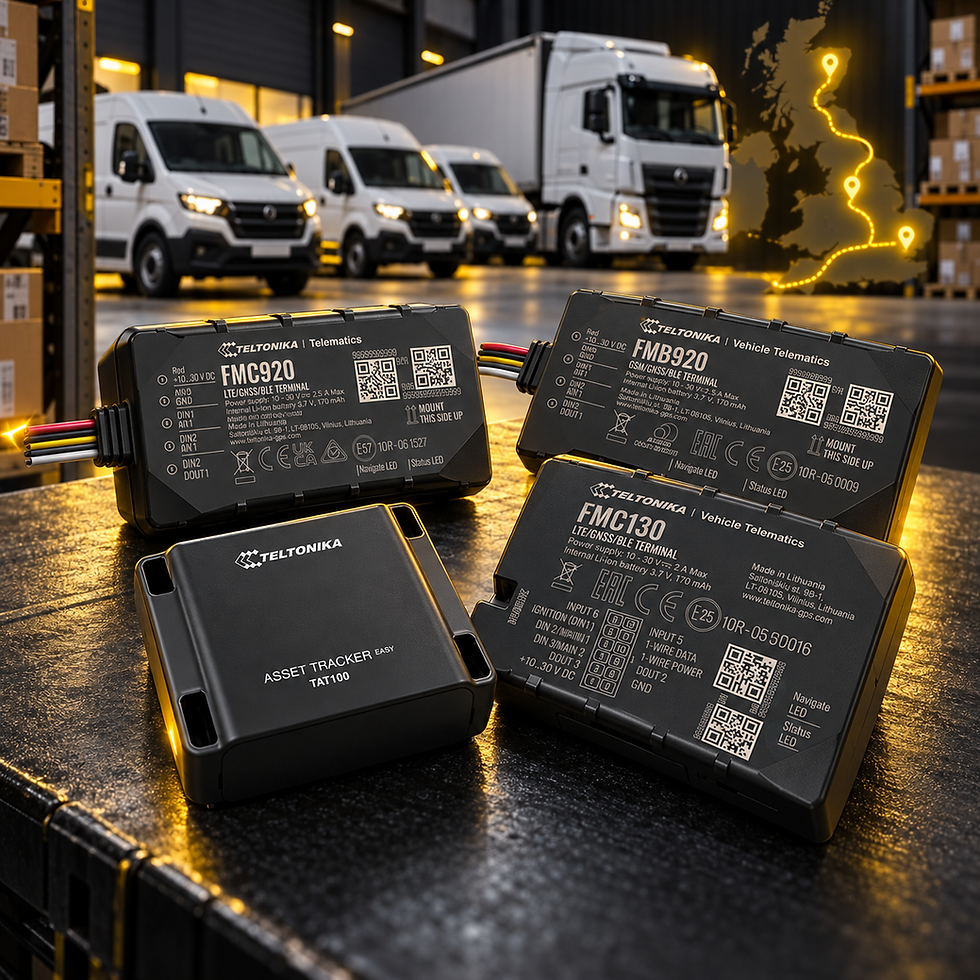
For normal powered fleet vehicles, Teltonika 4G models such as FMC920 or FMC130 are usually the starting point. For heavy trucks and plant machinery, FMC650 is better when the project needs CAN, fuel or tachograph data.
Do African fleets need driver identification?
Yes, especially where vehicles are shared between drivers, shifts or depots. Driver ID makes trip history, driving behaviour and accountability usable instead of anonymous.


Comments